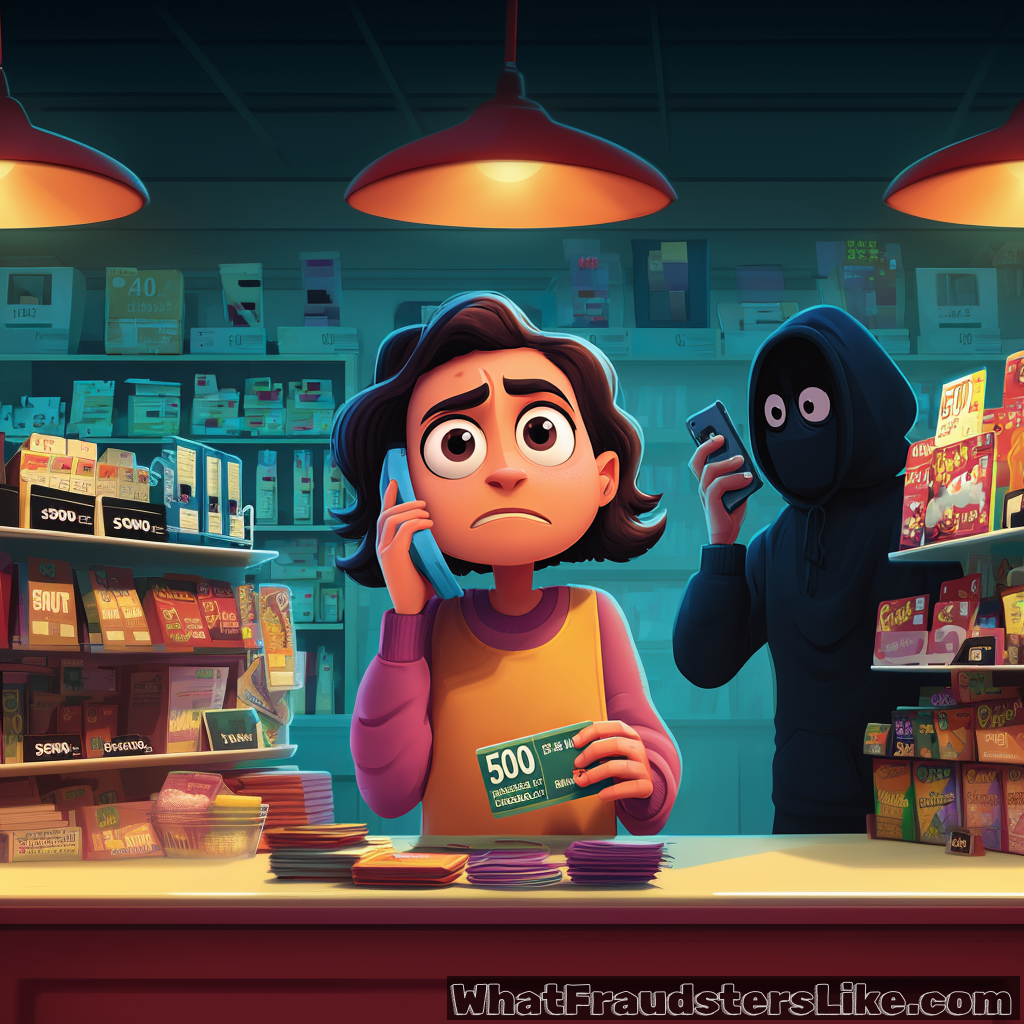
Gift cards are a scammer's dream: fast, anonymous, and nearly impossible to reverse once redeemed.
How Scammers Exploit Gift Cards:
🎯 The Boss Impersonation: A fraudster sends an urgent email claiming to be your boss or a trusted vendor, demanding you buy gift cards as "immediate payment." You send the codes - and the money vanishes instantly[ref].
💌 Romance & Emergency Scams: "I'm in trouble and need cash fast." Scammers build fake relationships or exploit real emergencies, convincing victims to buy gift cards and read the numbers aloud over the phone.
📱 Phishing & SMS Attacks: Criminals phish employees at retail companies or pose as customers to harvest photos of activated gift cards or one-time codes. Retailers' own staff become targets.
🔁 Resale & Laundering: Once activated, stolen gift cards are resold on marketplaces, converted into cryptocurrency, or passed through money mules, making the trail nearly impossible to trace.
🏬 Point-of-Sale Exploitation: Criminal insiders drain card balances before victims even leave the store, making recovery nearly impossible.
Looking at the scale - in 2024, the FTC received over 410,000 reports of gift card scams, resulting in $212 million in reported losses. When we move at a one level higher - 2024 saw record fraud losses totaling $16.6 billion reported to the FBI's Internet Crime Complaint Center. The elderly are hit particularly hard, with victims over 60 reporting $4.8 billion in losses in 2024, a 43% increase from 2023[ref].
❓What can we do:
For employees and individuals: never pay a vendor, boss, or "official" with a gift card. If asked, pause and verify via a known phone number or in person. Treat any urgent payment request as suspicious.
For employers: add explicit policies forbidding gift-card payments; require dual-channel verification for payment approvals (call-back to known number). Train new hires about "boss-request-via-e-channel" scams - attackers love new employees.
For retailers: Place visible warning posters near gift card racks and checkout counters, train staff to spot suspicious bulk purchases, and introduce “friction”, like prompts at the register asking if the customer has been instructed to buy cards for someone else.
For Platforms: When accepting the gift card - implement activation hold windows, transaction anomaly detection (large-volume activations, odd geography), and "spend locks" for suspicious accounts. Work with issuers to flag redeemed codes tied to reported scams quickly.
For banks/payments teams: monitor for sudden purchases of multiple high-value gift cards from the same customer, correlate with account takeover signals, and consider notifying customer of risks related to gift cards.